
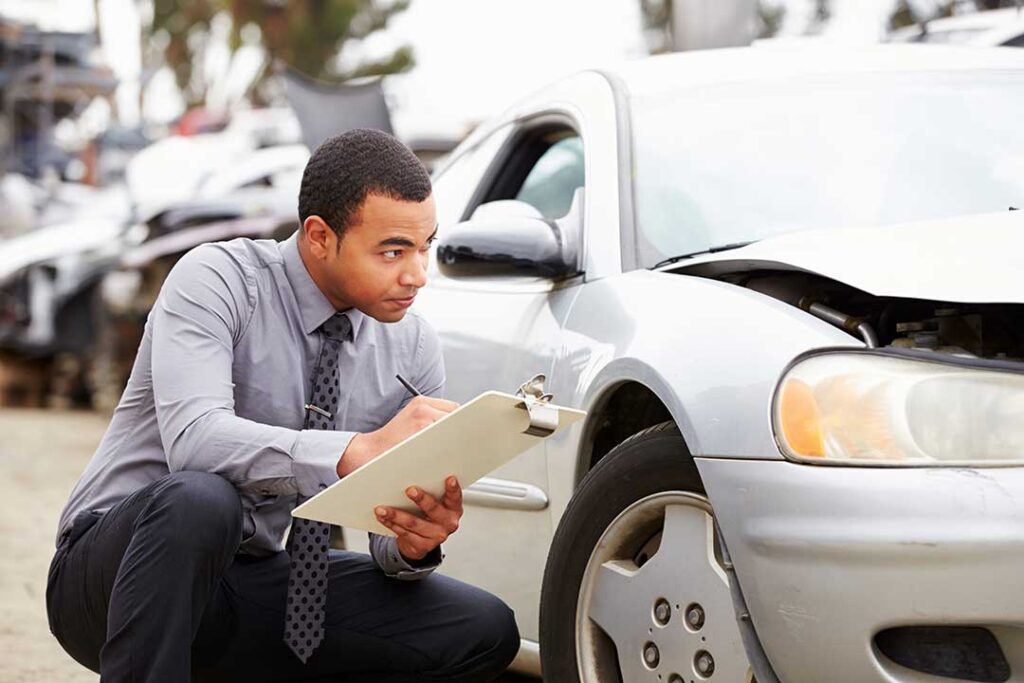
What Is Gap Insurance for Cars?
Gap insurance is a type of auto insurance that covers the difference between what a car owner owes on a vehicle loan or lease and the actual cash value the insurance company would pay if the car is totaled or stolen. While standard auto policies typically pay only the current market value of the car—often less than what you still owe—gap insurance bridges that “gap,” so you’re not left paying off a loan for a car you no longer have.
For many residents in Spring Hill, this coverage adds a crucial financial safeguard, especially for those who have recently financed or leased a new car.
Why Does the Gap Happen Between Car Value and Loan Balance?
The primary reason for the gap is vehicle depreciation. New cars lose value quickly—sometimes as soon as they leave the lot. In the first year alone, a vehicle’s value can drop significantly, while the amount owed on a loan or lease may decrease more slowly.
Depending on factors like down payment size, loan length, and interest rate, the gap can last for several years. In case of a serious accident or theft, standard insurance payouts often can't fully cover the outstanding debt.
Who Needs Gap Insurance in Spring Hill?
Gap insurance makes sense for some but not all drivers. Those most likely to benefit from it typically fit one or more of these categories:
- Purchased or leased a new car with a small down payment
- Have a loan term longer than four years
- Drive long distances annually, which accelerates depreciation
- Chose a vehicle model that loses market value rapidly
Young families, commuters traveling daily to schools or local employers, and anyone who would feel financial strain from owing money on a totaled vehicle should consider the policy, particularly during the first few years of ownership.
How Does Gap Insurance Work in Practice?
Imagine a local driver in Spring Hill buys a new sedan for $35,000, puts down $1,000, and finances the rest. Within the first year, the car’s market value drops to $28,000. If an accident totals the vehicle, standard insurance would only pay its current value—leaving the owner responsible for the remaining loan balance, which could easily be $5,000 or more.
With gap insurance, that $5,000 difference would be covered after the primary insurance pays out, making it possible to pay off the loan without dipping into savings or taking out another loan.
Is Gap Insurance Required by Law?
Gap insurance is not legally required for drivers in Spring Hill or Tennessee. However, lenders and leasing companies often require it as a condition of a new lease or if the financed amount is unusually high relative to the car’s value. Many dealerships offer gap coverage, but it’s also available from most insurance companies. Area residents should check their lease or loan agreements to see if the coverage is obligated.
When Does Gap Insurance Stop Being Useful?
Gap insurance is generally most beneficial during the early years of a car loan or lease, when the gap between balance owed and market value is at its widest. As the loan balance drops and the car’s value stabilizes, the benefit declines. Homeowners or drivers who have paid off most or all of their vehicle loan, or whose car holds its value well, typically no longer need it.
Generally, drivers can cancel this coverage once:
- The car’s market value matches or exceeds the remaining debt
- The car is nearly paid off

Common Misconceptions About Gap Insurance
Some local drivers assume that full coverage auto insurance automatically includes gap protection. However, most standard policies do not. Others believe that gap coverage pays off the entire loan no matter what. In reality, it only covers the shortfall between what regular insurance pays and what is still owed, excluding late fees or missed payments.
It’s also a myth that only new cars qualify. While most commonly used for new vehicles, some lenders may allow gap coverage for slightly used cars as well, especially if the financed amount is high compared to current value.
How to Decide If Gap Insurance Makes Sense
Area households weighing gap insurance should start by checking their loan paperwork and current auto policy. Key steps include:
- Find out how quickly the vehicle model loses value
- Review how much is owed versus the car’s current market value
- Assess how long it would take to “catch up” to even value through regular payments
If the risk of owing thousands on a totaled vehicle would cause financial challenges, gap insurance is worth closer consideration. Families, new graduates, and those leasing vehicles for the first time locally may benefit most when new or expensive vehicles are involved.
Does Local Climate or Driving Culture Affect Gap Insurance Needs?
Spring Hill experiences changing weather conditions, including seasonal storms that can lead to accidents or flooding. Localized risks like daily commutes along busy roadways or unpredictable parking lot conditions can increase the chances of a total loss scenario, making gap insurance especially practical for those on longer commutes or using their vehicles heavily throughout the year.
